Is Periodontal Treatment Ventura Right for You?
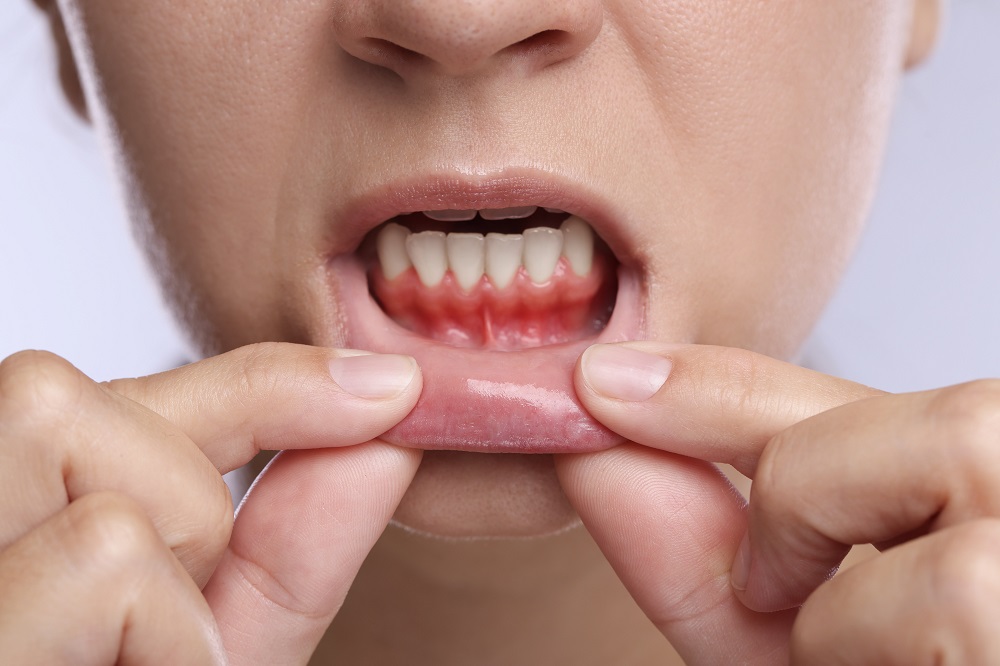
Gum problems rarely announce themselves with drama. Most people do not wake up one morning and say, “I have periodontal disease.” What usually happens is subtler. A little blood in the sink after brushing. A spot that feels tender when floss catches it. Breath that seems harder to freshen, even with good hygiene. For some, teeth begin to look a bit longer than they used to. For others, there is no pain at all, which is exactly why periodontal disease can advance quietly.
If you have been wondering whether periodontal treatment Ventura is something you should seriously consider, the better question is not whether your gums are perfect. Almost nobody’s are. The real question is whether your symptoms, risk factors, and dental history suggest that supportive care is no longer enough, and that targeted treatment could protect your teeth, comfort, and long term health.
This is one of those areas of dentistry where timing matters. Early treatment is usually simpler, less invasive, and less expensive. Delayed treatment often means deeper pockets, more inflammation, more bone loss, and fewer straightforward options.
What periodontal treatment actually means
Many patients hear the phrase and imagine surgery right away. Sometimes surgery is part of the conversation, but often it is not the first step. Periodontal treatment refers to the diagnosis, management, and ongoing control of gum disease and the structures that support your teeth, including gum tissue, periodontal ligament, and bone.
At the milder end, treatment may involve a deeper cleaning below the gumline, improved home care, and closer monitoring. In more advanced cases, it can include localized antibiotics, gum surgery, regenerative procedures, or maintenance visits at shorter intervals than a standard six month cleaning schedule.
That distinction matters. A routine prophylaxis cleaning removes plaque and tartar above the gumline and just slightly below it when the tissues are healthy. Periodontal therapy is different. It addresses infection and inflammation that have already moved deeper into the supporting tissues.
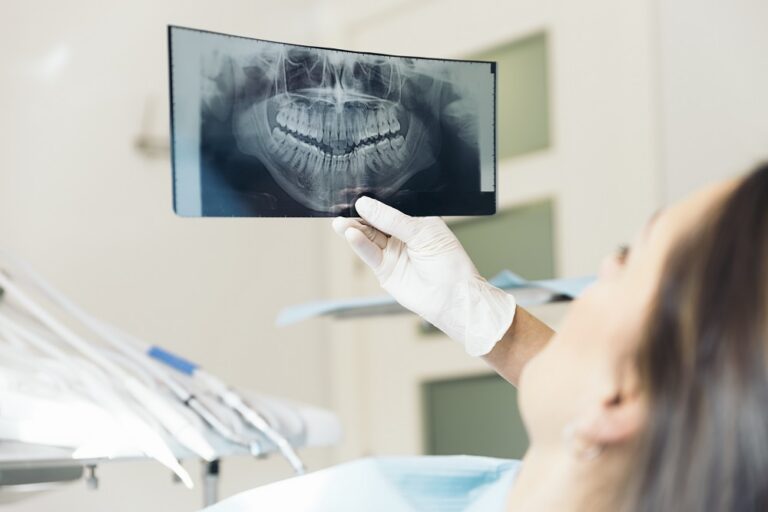
A lot of confusion comes from the fact that gums can look “mostly fine” in the mirror while disease is active below the surface. Gum disease is measured by probing depths, bleeding, attachment loss, recession, mobility, bone levels on X rays, and the pattern of inflammation over time. Appearance alone does not tell the whole story.
The signs that should not be brushed off
Some symptoms are obvious enough that patients know something is wrong. Others are easy to normalize, especially if they have been happening for years.
You should take notice if your gums bleed regularly when you brush or floss. Occasional bleeding from snapping floss into a tight contact is one thing. Recurrent bleeding in the same areas is another. Healthy gums generally do not bleed with ordinary brushing and flossing.
Persistent bad breath can also be a clue, particularly when it does not improve much despite brushing your teeth and tongue. The odor often comes from bacteria trapped in deeper pockets around the teeth.
Swollen, shiny, or puffy gums are another common sign. So are gums that seem to be pulling away from the teeth. Some people first notice a notch near the gumline or increased sensitivity to cold water. Others see spaces opening between teeth, especially the front teeth, or feel a slight shifting when biting into something firm.
Loosening teeth are a later warning sign and deserve prompt attention. By the time a tooth feels mobile, the supporting structures have usually been under stress for a while.
Pain is less reliable than many people assume. Advanced periodontal disease can exist with surprisingly little pain. That is one reason it is often missed until a dental exam or X ray makes the extent clear.
When watchful waiting stops making sense
There is a place for monitoring mild inflammation. If someone has temporary gingivitis from inconsistent home care, a recent illness, or a lapse in cleanings, improvement can happen quickly with a professional cleaning and better habits. But there is a line between mild, reversible irritation and established periodontal disease.
That line is crossed when inflammation starts to damage attachment and bone. Once bone support is lost, it does not spontaneously grow back just because the patient starts flossing more often. You can stabilize the condition, and in some cases regenerative procedures may help in selected defects, but simple home care alone is not enough.
This is where many people delay too long. They are not avoiding treatment because they do not care. More often, they are trying to make a reasonable judgment. The gums are not hurting much. Work is busy. Finances are real. The recommendation sounds serious, and serious recommendations invite second guessing.
In practice, the patients who regret waiting are usually the ones who assumed gum disease would stay where it was. It often does not. A three millimeter pocket with no bleeding is not the same as a six millimeter pocket with bleeding and radiographic bone loss. One can often be maintained routinely. The other demands active treatment.
Who is more likely to need it
Periodontal disease does not affect everyone equally. Some people develop significant disease despite brushing diligently. Others neglect their teeth more than they should and still show only minor inflammation. Biology is not fair, and gum disease follows that rule.
Several factors increase the odds that periodontal treatment Ventura may be appropriate:
- Bleeding gums, gum recession, or persistent bad breath that continue despite regular brushing and flossing
- A history of deep cleanings, bone loss, loose teeth, or being told you have gum pockets
- Smoking, vaping, or a history of tobacco use, which can mask bleeding while worsening disease
- Diabetes, especially if blood sugar is not well controlled
- Family history of early tooth loss or significant gum disease
Even this list needs context. For example, smoking changes how gums look. Smokers may have less visible redness and less bleeding, which can make the disease seem milder than it is. Diabetes works in both directions, too. Poor glycemic control can worsen periodontal inflammation, and active periodontal disease can make diabetes harder to manage. Pregnancy, certain medications, dry mouth, clenching, and immune related conditions can also complicate the picture.
I have seen patients in their thirties with advanced bone loss and very little plaque. I have also seen patients in their seventies with only modest gum issues because they stayed on top of maintenance for years. Age matters less than cumulative risk and consistency of care.
What a proper evaluation should include
If you are trying to decide whether treatment is right for you, the quality of the evaluation matters as much as the recommendation itself. A rushed glance at the gums is not enough.
A thorough periodontal assessment usually includes pocket depth measurements around each tooth, a bleeding evaluation, mobility checks, recession measurements, and imaging that shows bone levels. Your provider should also review relevant health history, smoking status, medications, prior dental treatment, and whether certain areas trap food or are hard to clean because of crowding, old restorations, or bite issues.
Good clinicians also look for patterns. Is the disease generalized or isolated to a few teeth? Is recession caused mainly by inflammation, or are aggressive brushing, thin tissue, and bite forces contributing? Is there a failing crown margin collecting plaque? Is an impacted food trap between two molars driving one stubborn area of breakdown?
Those details change treatment decisions. Not every deep pocket is treated the same way. Not every bleeding area needs surgery. Judgment matters.
The treatment paths most patients encounter
The first active step is often scaling and root planing, commonly called a deep cleaning. This is not just a longer cleaning. The goal is to remove deposits and bacterial contamination from root surfaces below the gumline so inflamed tissues can heal and the pockets can shrink where possible.
For some patients, especially those with mild to moderate disease, this step makes a major difference. Bleeding decreases, tissues tighten up, and maintenance becomes much more manageable. For others, deep cleaning is necessary but not sufficient. Persistent deep pockets, difficult anatomy, furcation involvement between molar roots, or uneven bony defects may require further periodontal care.
Here is where the conversation becomes more individualized. Local antimicrobial agents may be placed in selected areas. Some patients are referred to a periodontist for flap surgery, pocket reduction, grafting, or regenerative treatment. If recession is the primary issue, soft tissue grafting may be discussed, particularly when roots are exposed and sensitivity or progressive recession is present.
The phrase “gum surgery” tends to trigger anxiety, but modern periodontal care is more measured than many people expect. Not every case is aggressive. Some are very targeted, focused on one or two teeth that continue to deteriorate despite otherwise solid home care and maintenance.
https://maps.app.goo.gl/ChfJKu9PFXzaNGje8What treatment feels like, realistically
Patients usually want the plain version of the experience, not the polished version. The plain version is this: most non surgical periodontal treatment is very manageable, especially with local anesthetic. You may feel pressure, vibration, and some scraping sensations. You may have tenderness for a day or two afterward, especially in inflamed areas. Temperature sensitivity can temporarily increase as swollen tissue tightens and root surfaces are more exposed.
Surgical treatment varies more. A simple localized procedure is not the same as a full arch intervention. Recovery depends on the site, the technique, your healing pattern, and how well you follow post operative instructions. Most people function normally with some caution, but soft foods, modified brushing near the area, and follow up visits are often part of the short term routine.
The emotional side matters too. Many patients feel embarrassed when told they need periodontal treatment, as if it automatically means poor hygiene. That is not a useful lens. Hygiene matters, certainly, but so do genetics, restorations, anatomy, smoking, medical status, and time. Shame is not a treatment plan. Honest follow through is.
Cost, value, and the price of postponing
Periodontal care is not trivial financially, and any honest discussion should admit that. Insurance may cover part of it, but coverage varies, and periodontal maintenance often follows its own rules compared with standard cleanings. Surgical procedures, grafting, and regenerative therapies can add significantly to overall cost.
That said, delaying treatment is not a neutral choice. It has a cost trajectory of its own. Progressive gum disease can lead to repeated infections, tooth mobility, bite changes, difficult chewing, more extensive surgery, or tooth loss. Replacing teeth with implants, bridges, or partial dentures is almost always more expensive and more involved than preserving stable natural teeth when preservation is still possible.
There is also a practical quality of life issue that does not show up neatly on invoices. Loose teeth alter how people eat. Recession can make cold drinks unpleasant. Chronic inflammation can create a low grade discomfort that people stop noticing only because they have adapted to it.
When patients ask whether the treatment is “worth it,” the answer usually depends on prognosis. A treatable, maintainable dentition is worth investing in. A tooth with severe attachment loss, recurrent infection, fracture, and poor strategic value may not be. Skilled clinicians should be candid about that distinction.
The question of implants versus saving teeth
This comes up more often now than it did years ago. Some patients assume that if a tooth has periodontal issues, an implant is the cleaner solution. Sometimes extraction and implant placement are reasonable, but the idea that implants are an easy escape route from gum problems is too simplistic.
First, implants can develop peri implant disease, which is inflammation and bone loss around implants. A person susceptible to periodontal breakdown around natural teeth can carry that same susceptibility into implant maintenance, especially if plaque control is inconsistent or smoking continues.
Second, a compromised natural tooth is not automatically hopeless. Many teeth with reduced support can function for years when disease is controlled, bite forces are managed, and maintenance is consistent.
Third, extraction changes anatomy. Bone and soft tissue do not always behave ideally after a tooth is removed. Some cases need grafting. Some esthetic zones are especially unforgiving. “Just pull it and place an implant” may sound efficient, but it is not always the more conservative or more predictable choice.
A strong treatment discussion weighs the strategic importance of the tooth, the amount and pattern of bone loss, root anatomy, patient habits, maintenance reliability, esthetic demands, and overall goals. That is real decision making, not salesmanship.
What makes someone a good candidate for successful treatment
Needing treatment is one thing. Being likely to benefit from it is another. The best outcomes usually happen when the disease is biologically manageable and the patient is willing to maintain the result.
That does not mean perfection. Very few patients become textbook ideal overnight. It means they can realistically improve home care, return for maintenance, and work on the factors they can control. A smoker who is trying to cut down and willing to return every three to four months may still do far better than a non smoker who gets treated once and disappears for two years.
A good candidate also understands that periodontal treatment is rarely a one time fix. It is a shift into a different level of maintenance. Once you have had periodontal disease, your recall schedule may need to stay more frequent. That is not punishment. It is simply what prevents relapse.
If your schedule, budget, or stress level makes it hard to commit to follow up, say so. That does not mean treatment is pointless. It means the plan should be realistic. Sometimes clinicians can phase care by priority, stabilize the most urgent areas first, and build from there.
Questions worth asking before you say yes
Many patients accept or decline treatment without getting enough practical clarity. A better approach is to ask direct questions and judge the answers.
You do not need a dramatic checklist, but a few topics matter. Ask how severe the disease is and whether bone loss is already present. Ask which teeth or areas are most concerning. Ask whether the recommendation is intended to stop active disease, improve comfort, preserve teeth long term, or all three. Ask what happens if you wait six months. Ask what part of the plan is essential now and what part could be staged.
You should also ask what success looks like in your specific case. For one person, success may mean reducing bleeding and bringing several five to six millimeter pockets down to healthier measurements. For another, success may mean stabilizing a periodontally compromised mouth well enough to proceed with crowns, orthodontics, or implant work later.
Finally, ask who will maintain the result and how often. Good treatment without good maintenance is like repairing a roof and then never clearing the gutters again.
Situations where a second opinion makes sense
A second opinion is not a betrayal of your dentist. It is sometimes the smartest next step, especially if the recommendation feels extensive, the explanation was vague, or the cost is significant.
It can help if you have been told you need surgery but are not clear why non surgical care would not be enough. It can also help if one provider says several teeth are hopeless and another seems optimistic. Periodontal cases often include shades of gray, and hearing how another experienced clinician weighs prognosis can be valuable.
The goal of a second opinion should not be to shop for the least treatment possible. It should be to confirm diagnosis, severity, and options. If two independent evaluations tell a similar story, most patients feel more confident moving forward.
Why Ventura patients often wait, and why timing still matters
Ventura is full of people balancing real life pressures. Between work, family, commuting, outdoor hobbies, and everything else that fills a California calendar, dental treatment can slide down the list until symptoms become hard to ignore.
The coastal climate, coffee habits, social schedules, and active lifestyles do not cause gum disease, of course. But they shape behavior. People often want care that is efficient, understandable, and worth the disruption. That is reasonable. It is also why periodontal treatment Ventura should be framed in practical terms. The point is not to create urgency for urgency’s sake. The point is to protect the foundation of your teeth before the repair becomes larger than it needs to be.
I have seen patients who put off treatment because they were waiting for pain, and pain never came until an abscess formed around a tooth that had been declining for years. I have also seen patients move ahead early, complete conservative therapy, tighten up home care, and keep their teeth stable with routine maintenance for a long time. The difference was not luck alone. It was timing.
So, is it right for you?
If your gums bleed often, if pockets or bone loss have been documented, if you have a history of deep cleanings, or if your teeth feel different when you chew, periodontal treatment deserves serious consideration. If you smoke, have diabetes, or have family members who lost teeth early, the threshold for acting should be even lower.
On the other hand, not every irritated gumline means you need intensive care. Some people need a thorough exam, a standard cleaning, and better brushing technique, not a full periodontal program. That is why diagnosis matters so much.
The most sensible next move is not self diagnosis. It is a comprehensive periodontal evaluation with a provider who explains findings clearly, shows you the areas of concern, and distinguishes between mild gingivitis, active periodontal disease, and long standing but stable changes. Once you know which category you are actually in, the decision usually becomes much easier.
If the disease is active, treatment is less about doing something extra and more about preventing something worse. That is often the clearest way to think about it. Gum disease does not just affect appearance. It changes the stability of the teeth you depend on every day. Protecting that foundation is almost always worth a thoughtful, timely response.
Avra Dental
Address: 1708 S Victoria Ave B, Ventura, CA 93003
Phone number: (805) 941-1001
FAQ About Periodontal Treatment Ventura
Can a dentist get rid of periodontal disease?
A dentist or gum specialist (periodontist) cannot fully cure or reverse advanced periodontal disease (periodontitis), but they can successfully stop its progression and manage the infection.
Is periodontitis very serious?
Yes, periodontitis is a very serious, advanced form of gum disease that destroys the bone and tissues supporting your teeth.
How is stage 2 periodontal disease treated?
Stage 2 periodontal disease (early to moderate periodontitis) is primarily treated with non-surgical deep cleaning procedures like scaling and root planing to remove bacteria and tartar below the gumline.
Ends · RYLANASRR038